British manufacturing still matters because the things we choose to make say something about what we value.
In jewellery and silver, manufacturing is not only a matter of production. It is a matter of material, proportion, skill, finish, repairability, provenance and long-term use. A ring, chain, box, case, object or piece of silver is not simply bought for the moment. At its best, it becomes part of a life, a family, a collection or an archive.
That is why where and how something is made still matters.
More than origin
“Made in Britain” has never been just a geographical statement.
At its best, it suggests a standard: restraint, practicality, quality, service, durability and craft. In jewellery and silver, those standards are especially important because precious materials carry both financial and emotional value.
Gold, silver and platinum are not ordinary materials. They are worked, hallmarked, repaired, polished, altered, inherited and passed on. They invite a different relationship between maker, owner and object.
British manufacturing matters because it keeps that relationship visible.
The value of permanence
Much of the modern luxury market has become detached from permanence. Goods are produced at scale, distributed globally and sold through the language of status. Many are beautifully marketed, but not always made to remain in use for generations.
Jewellery and silver should be different.
A well-made piece should be capable of being worn, cleaned, repaired, resized, restored, refinished and understood. Its value should not depend only on the logo attached to it, but on the quality of its making and the confidence with which it can be cared for.
This is where British manufacturing, restoration and workshop knowledge become commercially important. They give the object a future.
Hallmarking and trust
The British tradition of hallmarking is one of the clearest examples of manufacturing discipline.
A hallmark is more than a mark. It is a public assurance that a precious-metal article has been independently tested and marked according to recognised standards. In jewellery and silver, this matters because trust cannot depend on appearance alone.
The customer should know what they are buying. The maker should be accountable for what they are selling. The object should carry information that can outlast the sales conversation.
For a serious jewellery or silver business, hallmarking is not a minor technicality. It is part of the culture of trust.
The workshop as a standard
A workshop is not only a place where things are made. It is where judgement is formed.
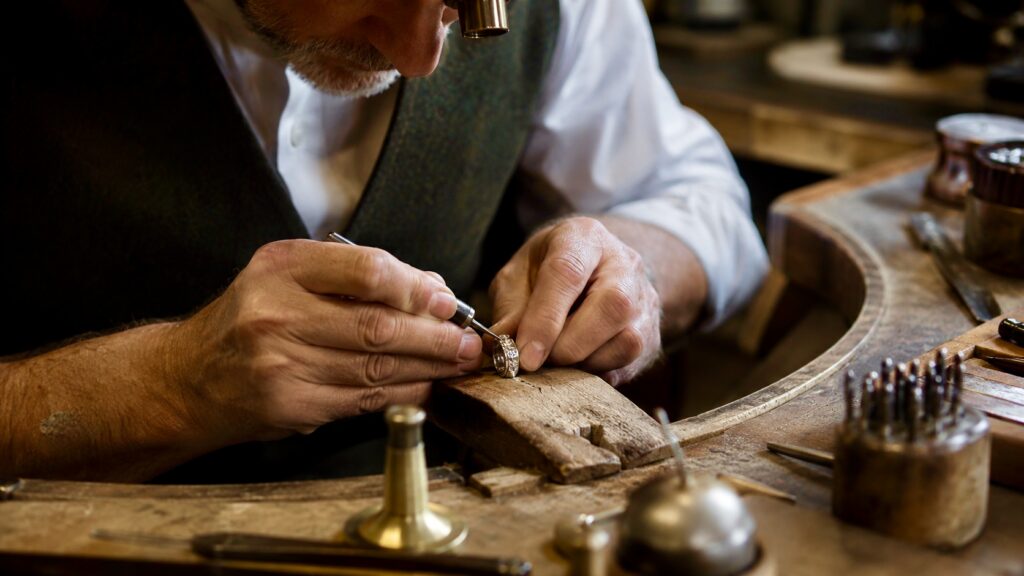
The workshop understands weight, balance, wear, repair, solder, polish, surface, hinge, clasp, thread, stone setting and finish. It knows the difference between an object that looks good for a photograph and an object that will survive use.
In jewellery and silver, this knowledge is essential. It informs new making, but it also informs restoration. To restore an object properly is to understand how it was made in the first place.
That is why restoration and future manufacturing belong together. A business that can care for old objects is better placed to understand what new objects should become.
Small-scale production has value
Scale is not always the measure of seriousness.
In many areas of luxury, smaller production can allow for better control, better material choices, closer inspection, more considered design and a more direct relationship between the business and the object.
British jewellery and silver do not need to compete with mass production on volume. Their strength is different. It lies in knowledge, standards, proportion, restraint, service and the ability to make objects that feel considered.
The future of British manufacturing in this field is not about producing more of everything. It is about producing better things, more carefully.
Restoration is responsible luxury
The most responsible object is often the one that already exists and can continue to be used.
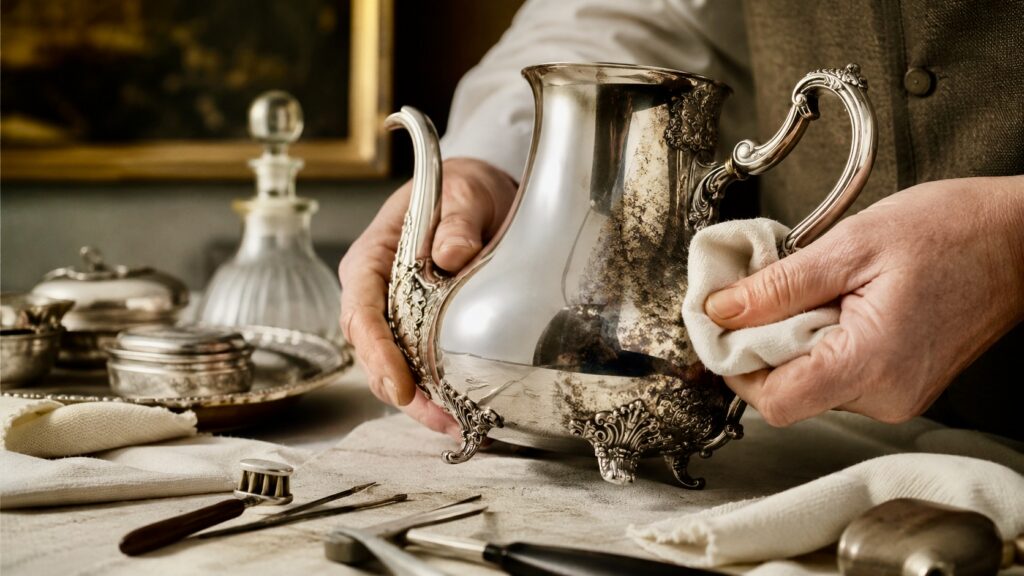
Restoration, refurbishment and repair extend the life of jewellery, silver and works of art. They preserve material, skill and memory. They also remind us that luxury is not always newness. Sometimes it is continuity.
In a world of disposability, the ability to restore is a serious commercial and cultural advantage.
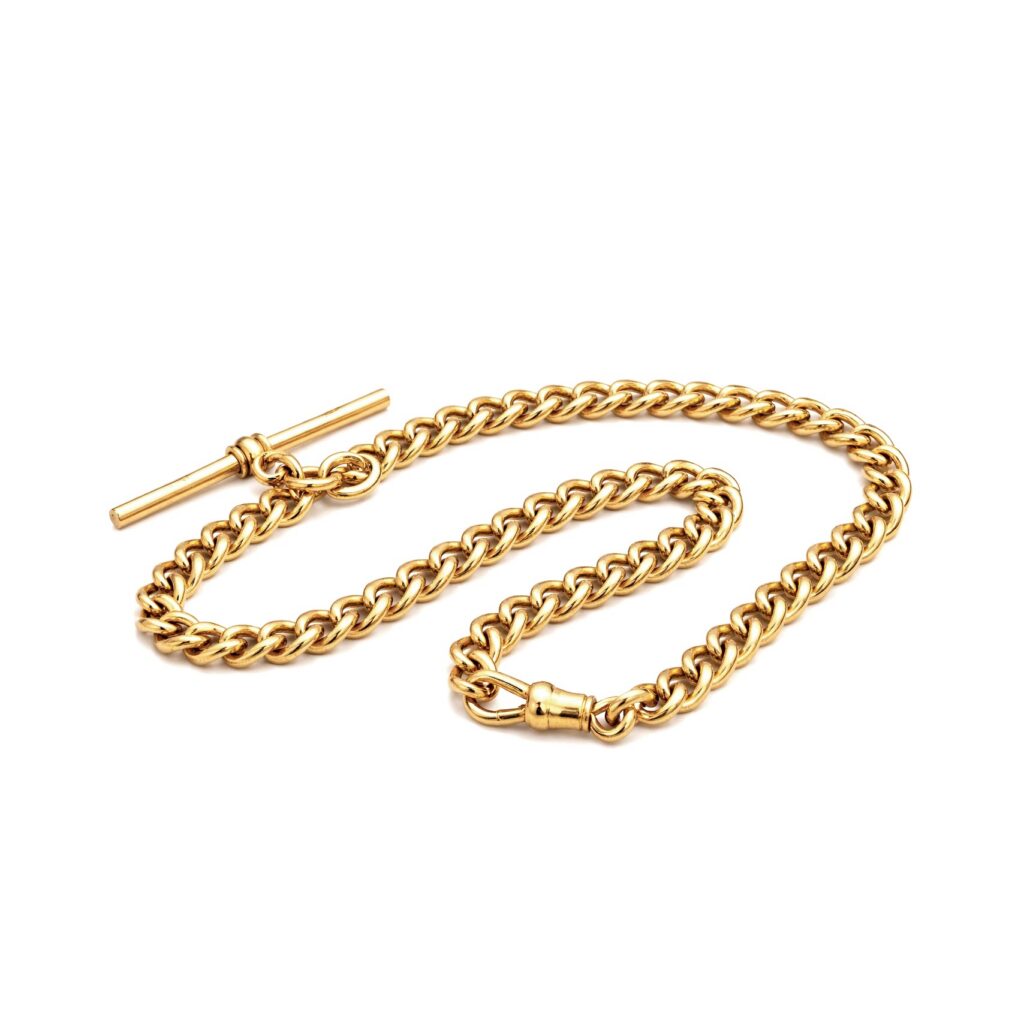
A restored piece can carry history without being treated as obsolete. A repaired object can return to use. A polished piece of silver can move from one generation to another. A chain, locket, charm, case or box can remain part of daily life.
That is the quiet strength of objects made and maintained properly.
British luxury and the global customer
British jewellery and silver have always had international relevance.
London has long been associated with trade, hallmarking, collecting, design and craftsmanship. British makers have supplied domestic customers, travellers, collectors, families, institutions and international clients for centuries.
The global customer does not look to Britain only for novelty. They often look for restraint, history, trust, service and permanence.
That is why British manufacturing still has commercial value. It gives a business a position that cannot be created by marketing alone.
The future we believe in
The Company of Extraordinary Companies is concerned with jewellery, silver, objects, works of art, restoration and future manufacturing.
Our interest is not in mass production. It is in objects that can be understood, cared for and kept. We believe that the future of British luxury depends on businesses that respect material, craft, provenance, repairability and long-term use.
British manufacturing still matters because it connects the object to a standard.
Not everything needs to be made quickly.
Not everything needs to be made in quantity.
Some things should be made with care, restored with knowledge and kept for as long as possible.
That is the standard worth building towards.